The Pelvic Chronicles Blog

Categories:

Latest Posts

Back Fusion Recovery: Why Physical Therapy Can Make or Break Your Results

Recovering from sacroiliac joint (SIJ) fusion or lumbar fusion surgery is not just about letting bones heal. It is also about learning how to move your body again to prevent reinjury. Many patients think surgery alone will solve their pain, but without proper rehabilitation, stiffness, weakness, and abnormal movement patterns can continue long after the operation. Physical therapy plays a major role in helping patients regain strength, improve mobility, reduce pain, and protect nearby joints from extra stress. After SIJ fusion or lumbar fusion surgery, the body’s mechanics change, and physical therapy helps patients safely adapt to those changes while returning to daily activities.

The sacroiliac joints connect the spine to the pelvis and help transfer forces between the upper body and legs. When these joints become unstable or painful, SIJ fusion surgery may be recommended to stabilize the area. Lumbar fusion surgery stabilizes painful or damaged segments of the lower spine. Although both surgeries can reduce pain, they also reduce motion in the treated area. When one area of the body becomes less mobile, nearby joints move more to compensate. This creates a “biomechanical cascade,” where extra stress is placed on the hips, pelvis, and lower spine.

Research has shown that SIJ fusion can increase forces at the L5-S1 level of the spine, especially at the facet joints. One cadaver study found that unilateral SIJ fusion increased L5-S1 facet joint forces by 55%, while bilateral fusion increased forces by 100%. This means the joints above the fusion may experience greater wear and tear over time. Similarly, lumbar fusion surgery can increase stress and movement at the SI joints. Studies have shown that up to 75% of patients develop SI joint degeneration within five years after lumbar fusion surgery. Because of these changes, rehabilitation must focus not only on healing the surgical site but also on protecting the surrounding joints and muscles.

The best available guidance on postoperative physical therapy after SIJ fusion comes from the American Society of Pain and Neuroscience (ASPN) expert panel best practices document. The recommendations describe a phased rehabilitation approach that includes wound care, medication management, physical activity progression, and therapeutic exercise. While many rehabilitation protocols are based on expert opinion instead of large clinical trials, these guidelines provide a structured framework that helps patients recover safely.

One of the main goals during this stage is pelvic girdle stabilization. The pelvis relies on coordinated muscle activity to remain stable during walking, standing, and lifting. Important muscles targeted during rehabilitation include the abdominal muscles, pelvic floor, gluteus medius and maximus, and even the contralateral latissimus dorsi muscle. These muscle groups work together to stabilize the trunk and pelvis during movement.

Stretching is also an important part of recovery. Patients with SIJ dysfunction commonly develop tightness in the iliopsoas, piriformis, and hamstring muscles. Tight muscles can create abnormal movement patterns and increase stress on nearby joints. Gentle stretching exercises help restore mobility and reduce compensation patterns that may contribute to pain. Therapists may also use soft tissue mobilization, foam rolling, and thoracolumbar fascia techniques to decrease stiffness in the connective tissues surrounding the lower back and pelvis.

Core stabilization exercises become especially important. Studies have shown that core stability training combined with mobilization techniques can significantly reduce pain and disability in patients with SIJ dysfunction. Therapists gradually progress strengthening exercises for the hips, gluteal muscles, and hamstrings. Strong hip muscles are critical because SIJ fusion can increase stress at both the hip joints and lower lumbar spine. Improving hip strength helps absorb forces more efficiently during walking and daily activities.

Physical therapy is also important because it helps retrain movement patterns. Patients often unconsciously develop compensations to avoid pain prior to and after surgery. Over time, these altered mechanics can create problems in other areas of the body. This relationship between the spine, pelvis, and hips is commonly referred to as “hip-spine syndrome.” When motion is restricted in one area, another area is forced to move more. For example, limited hip mobility may increase stress on the lumbar spine, while lumbar stiffness may increase motion demands at the SI joints and hips. Physical therapists evaluate the entire movement chain and help restore balanced mechanics.

Manual therapy combined with exercise appears to provide better long-term results than exercise alone. Research has shown that SIJ-specific pelvic stabilization exercises outperform general lumbar exercises in improving pain and function. Motor control exercise programs are also more effective than unsupervised home exercise alone for chronic low back pain related to SIJ dysfunction. These findings highlight the importance of guided rehabilitation rather than relying solely on rest or independent exercise.

Ultimately, physical therapy after SIJ fusion or lumbar fusion surgery is more than exercise. It is a critical part of protecting the body’s long-term function. Fusion surgery changes how forces move through the spine, pelvis, and hips, which can increase stress on nearby joints if rehabilitation is neglected. A structured therapy program helps improve strength, flexibility, stability, and movement patterns while reducing the risk of future degeneration. By addressing the entire lumbopelvic-hip complex, physical therapy helps patients return to daily life with better function, less pain, and greater confidence in their movement.

Seeing the Pelvic Floor in Real Time: How Rehabilitative Ultrasound Is Changing Physical Therapy

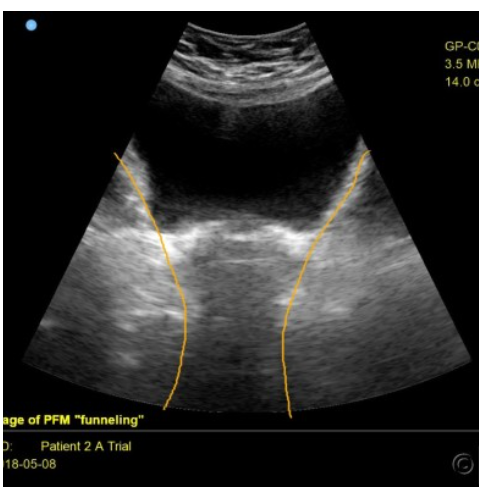
Pelvic floor physical therapy is changing in exciting ways. One of the biggest advances is the use of Rehabilitative Ultrasound Imaging (RUSI). This tool helps therapists and patients better understand how the deep core muscles work together. These muscles include the pelvic floor and the abdominal wall, especially a deep muscle called the transversus abdominis (TrA). When these muscles work well, they support the spine, control pressure in the abdomen, and help with everyday movements like lifting, walking, and reaching. When they do not work well, people may have pain, weakness, or trouble with bladder and bowel control.

RUSI has two main roles in rehab. First, it serves as a tool to assess muscles. Therapists can see the size and shape of muscles and how they change during contraction. Second, and just as important, it acts as a biofeedback tool. This means patients can see their muscles working in real time on a screen. Instead of guessing if they are doing an exercise correctly, they get clear visual feedback. This makes learning faster and more effective.

View of Bladder and Pelvic Floor Muscles
Photo courtesy of Ramona Horton, DPT

Many people struggle to activate their deep core muscles correctly. They may overuse larger, more superficial muscles instead. This is where RUSI shines. Research shows that visual feedback from ultrasound is more effective than just verbal cues or touch. When patients can see their muscles, they are better able to perform motor control exercises. These exercises focus on gentle, precise muscle activation rather than big, forceful movements.

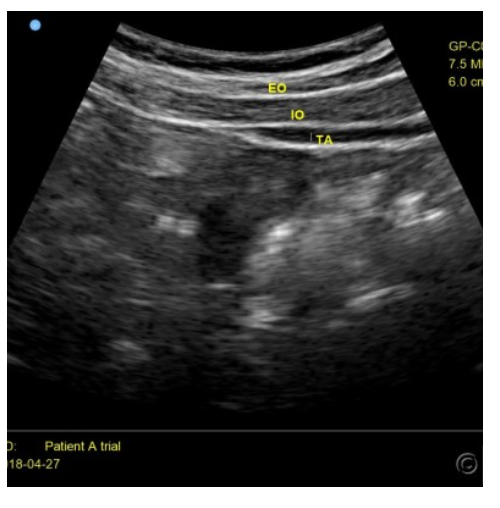
One key exercise in pelvic floor and abdominal rehab is abdominal activation, sometimes called “hollowing” in fitness classes.  This exercise targets the transversus abdominis. Studies show that when people use ultrasound feedback during this exercise, they activate the TrA more selectively. In simple terms, they use the right muscle at the right time. This is important because proper muscle coordination helps protect the spine and pelvic organs.

Lateral Abdominal wall: Transverse Abdominus (TA), Internal Oblique (IO), External Oblique (EO) muscles at rest.
Photo Courtesy of Ramona Horton, DPT

Another benefit of RUSI is improved endurance. It is not just about turning a muscle on—it is about keeping it on. With ultrasound feedback, patients can better maintain a contraction over time. For example, during a 30-second hold, people using RUSI show stronger and more consistent muscle activity. This matters because daily activities often require low-level muscle activation over longer periods, not just short bursts of effort.

As patients improve, therapy does not stay on the treatment table. A key goal is to transfer these skills into real life. Research shows that training the TrA in a lying position with ultrasound feedback can carry over to standing tasks. These include lifting, reaching, and other functional movements. Even better, these improvements can last for months after training ends. This supports a step-by-step approach: start with simple positions, then progress to more complex, weight-bearing tasks.

Muscle function changes depending on the task. For example, how the TrA works during standing or a single-leg squat is different from how it works lying down. Because of this, newer methods look at functional activation ratios. This means comparing muscle activity during real tasks instead of just at rest. This gives a more accurate picture of how the body works in daily life.

RUSI is also helpful for people with pain, especially low back pain. Studies show that individuals with ongoing back pain often have reduced activation of the transversus abdominis during standing tasks. By using ultrasound during these activities, therapists can identify these deficits and guide treatment more effectively. This helps patients retrain their muscles in a way that directly relates to their symptoms.

Another important area is post-surgical rehabilitation. After procedures like hernia repair or abdominal wall reconstruction, proper muscle function is critical. Research shows that structured rehab programs can reduce the risk of complications, such as hernia recurrence or abdominal bulging. Strengthening the abdominal wall and improving coordination with the pelvic floor are key parts of recovery. RUSI can play a role here by guiding safe and effective muscle activation during the healing process.

While RUSI is a powerful tool, it is important to understand its limits. Changes in muscle thickness seen on ultrasound do not always equal muscle strength or activity. The relationship is strongest during low-level, controlled contractions. Factors like body position and effort level can affect the readings. This means therapists must use RUSI along with clinical judgment and other assessments.

In pelvic floor physical therapy, the connection between the abdominal wall and pelvic floor is essential. These muscles work as a team to manage pressure, support organs, and stabilize the body. When one part is not working well, the whole system can be affected. By combining RUSI with functional training, therapists can help patients rebuild this coordination step by step.

In practice, a typical program might start with simple breathing and gentle activation exercises in a lying position. Using ultrasound, the patient learns how to engage the deep core without overusing other muscles. As control improves, exercises progress to sitting, standing, and eventually more dynamic tasks like lifting or squatting. Throughout this process, the focus remains on quality of movement, not just quantity.

This approach fits well with modern rehabilitation principles. It is patient-centered, evidence-based, and focused on real-life function. Instead of just treating symptoms, it addresses the underlying movement patterns that contribute to pain or dysfunction.

In summary, rehabilitative ultrasound imaging is a valuable tool in pelvic floor and abdominal wall rehabilitation. It helps assess muscle function, improves exercise performance, and supports the transfer of skills to daily activities. For patients, this means clearer guidance, better outcomes, and a more active role in their own recovery.

The Surprising Link Between Hip Pain and Constipation

Hip pain and constipation may seem like two completely separate problems, but in many cases, they are closely connected. This connection can be confusing for patients and even for healthcare providers at first. However, understanding how the body works helps explain why pain in the hip and trouble with bowel movements can happen at the same time. These symptoms can be linked through several pathways, including referred pain from the abdomen or pelvis, problems with the pelvic floor muscles, and shared nerve connections known as viscerosomatic convergence.

Hip pain and constipation can be related through several mechanisms, and recognizing this link is important for proper diagnosis and treatment. When these symptoms appear together, it is a signal to look beyond the hip joint itself and consider what may be happening deeper in the body.

One of the most important explanations is referred pain from bowel pathology. Referred pain occurs when a problem in one part of the body is felt in another area. In this case, issues in the intestines or pelvic organs can cause pain that feels like it is coming from the hip. This happens because the nerves that carry pain signals from the abdomen and pelvis overlap with those that serve the hip region. As a result, the brain may interpret the pain as coming from the hip instead of the bowel.

For example, a person with constipation may develop pressure and stretching in the intestines. This can irritate nearby nerves and lead to discomfort in the front, side, or even back of the hip. A key clue that the pain may be referred is when it occurs along with bowel symptoms such as constipation, bloating, or changes in stool patterns. In these cases, treating the bowel problem often improves the hip pain as well.

Another major factor is pelvic floor dysfunction, which plays a central role in both constipation and hip pain. The pelvic floor is a group of muscles located at the bottom of the pelvis. These muscles support organs like the bladder and intestines and help control bowel movements. When these muscles do not work properly, a range of symptoms can occur.

Pelvic floor dysfunction can cause the muscles to become too tight, weak, or uncoordinated. When the muscles are too tight, they may not relax enough to allow stool to pass. This leads to straining, incomplete emptying, and ongoing constipation. At the same time, tight or irritated pelvic floor muscles can cause pain that spreads to nearby areas, including the hips, lower back, and thighs.

Research shows a strong connection between pelvic floor muscle pain and constipation. People with pelvic floor myofascial pain are much more likely to have problems with bowel movements. They may also experience symptoms like pain during defecation, a feeling that the rectum is not fully empty, or even accidental leakage of stool. The more severe the muscle pain, the more severe the bowel symptoms tend to be.

This relationship works both ways. Constipation can also make pelvic floor dysfunction worse. When a person repeatedly strains to pass stool, the pelvic floor muscles may become overworked and tense. Over time, this creates a cycle where muscle dysfunction leads to constipation, and constipation further worsens muscle dysfunction.

A third important concept is viscerosomatic convergence, which helps explain how internal organ problems and muscle pain are connected. In the pelvis, many organs and muscles share the same nerve pathways. This includes the intestines, bladder, uterus, and the muscles of the pelvic floor and hips.

Because these structures share nerve signals, the brain may have difficulty telling exactly where the problem is coming from. This overlap can cause pain from the bowel to be felt in the muscles, or pain from the muscles to affect how the bowel functions. Over time, this can lead to a condition called central sensitization. In this state, the nervous system becomes more sensitive, and pain signals are amplified.

Central sensitization can make both hip pain and constipation more severe and harder to treat. A person may feel widespread discomfort in the pelvis, hips, and lower back, along with ongoing bowel issues. This highlights the importance of treating both the muscular and digestive aspects of the condition rather than focusing on just one.

When a patient presents with both hip pain and constipation, a careful clinical evaluation is essential. This should include not only an examination of the hip but also the abdomen and pelvic region. Healthcare providers may ask detailed questions about bowel habits, such as how often the patient has bowel movements, whether there is straining, and if there is a feeling of incomplete emptying.

In some cases, a digital rectal exam may be performed to assess the pelvic floor muscles. Tenderness in a muscle called the puborectalis can suggest pelvic floor myofascial pain. Patients with defecatory disorders may also report needing to use manual techniques to help pass stool, which is another important clue.

Understanding the root cause of symptoms allows for more effective treatment. One of the most helpful treatments for this type of problem is pelvic floor physical therapy (PFPT). This therapy focuses on retraining the muscles of the pelvic floor to work properly. It is considered a first-line treatment for pelvic floor dysfunction and related conditions.

Pelvic floor physical therapy uses a variety of techniques. These may include manual therapy to release tight muscles, exercises to improve strength and coordination, and rehabilitative ultrasound imaging (RUSI) to help patients learn how to elongate and coordinate the pelvic floor muscles during bowel movements. RUSI is very helpful as it gives the patient and PT visual cues to guide treatment in real time.

Studies show that RUSI therapy can be highly effective, especially for conditions like dyssynergic defecation, where the muscles do not coordinate properly. In many cases, patients who undergo this therapy experience significant improvement in both constipation and pain. Some research suggests success rates as high as 80% for certain pelvic floor disorders.

In addition to improving bowel function, pelvic floor therapy can also reduce pain in the hips and surrounding areas. By addressing the underlying muscle tension and improving coordination, the therapy helps break the cycle of pain and dysfunction.

Treatment usually involves several sessions over a period of weeks. Patients are also given exercises to practice at home. Consistency and active participation are key to success.

A multimodal approach often works best. This means combining different types of treatment to address all aspects of the condition. For example, a patient may use stool softeners or laxatives to manage constipation while also participating in pelvic floor therapy to improve muscle function. Education about proper toileting habits and posture can also make a big difference.

Hip pain and constipation are more connected than they may first appear. Through mechanisms like referred pain, pelvic floor dysfunction, and shared nerve pathways, problems in the bowel can lead to pain in the hip and vice versa. Recognizing this connection is important for accurate diagnosis and effective treatment. With the right approach, including pelvic floor physical therapy, patients can find relief from both symptoms and improve their overall quality of life.

Disclaimer: This blog is here for your help. It is the opinion of a Licensed Physical Therapist. If you experience the symptoms addressed you should seek the help of a medical professional who can diagnose and develop a treatment plan that is individualized for you.